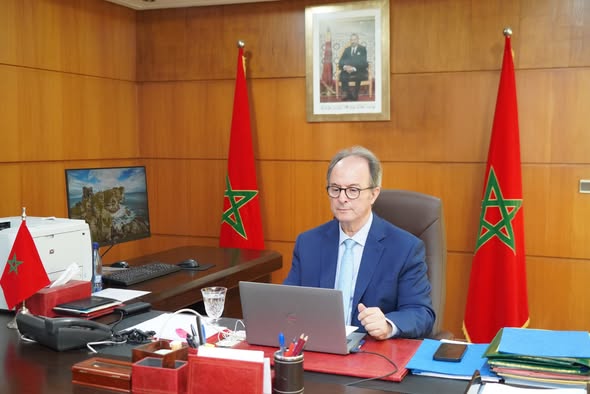
كلمة السيد المندوب الوزاري المكلف بحقوق الإنسان في افتتاح الاجتماع السنوي لبرنامج الأمم المتحدة الإنمائي
سعادة السيدات والسادة السفراء ورؤساء الوفود ممثلو الدول والمنظمات الأممية والدولية المشاركين في هذا اللقاء سواء حضوريا أو عن بعد سعادة السيدة كاتيا لاسور، سفيرة المجلس الاقتصادي والاجتماعي، رئيسة قسم التنمية، الشؤون الإنسانية وحقوق الإنسان، البعثة الدائمة لمملكة هولندا لدى الأمم المتحدة في نيويورك. سعادة الدكتورة أغنيس ماري تشيمبيري-مولاندي، الممثلة الدائمة لجمهورية مالاوي لدى الأمم المتحدة في نيويورك، جمهورية مالاوي. السيد ألكسندر زوييف، الأمين العام المساعد لسيادة القانون ومؤسسات الأمن، إدارة عمليات السلام التابعة للأمم المتحدة. السيدة جان بيغل، المديرة العامة، منظمة القانون الدولي للتنمية. معالي السيد سيد رفعت أحمد، رئيس قضاة بنغلاديش، المحكمة العليا في بنغلاديش. أيها الحضور الكريم كل بصفته والاحترام الواجب له. يطيب لي أن أشارك معكم في افتتاح الاجتماع السنوي لبرنامج الأمم المتحدة الإنمائي الذي اخترتم له موضوع "الدفاع عن الحقوق والعدالة والأمن"، الذي نعتبره ذي أهمية بالغة لضمان الكرامة الإنسانية وتحقيق التنمية المنشودة. واسمحوا لي أن أعبر لكم عن سعادتي البالغة وأنا أشارك في أول نشاط رسمي ينظم خارج المملكة، بعد تعييني من طرف جلالة الملك محمد السادس حفظه الله، مندوبا وزاريا مكلفا بحقوق الإنسان، وهو التعيين الذي يؤكد إرادة سياسية قارة ومتجددة للمملكة المغربية بتعزيز حقوق الإنسان، وتوفير الشروط المناسبة لمواصلة مسار حمايتها والنهوض بها، باعتبارها خيارا وطنيا ثابتا لا رجعة فيه. حضرات السيدات والسادة؛ يعد موضوع ضمان سيادة القانون وتوفير العدالة وتحقيق الأمن من القضايا التي توليها المملكة المغربية عناية بالغة، تعكسها التوجيهات الملكية السامية التي وضعت ضمن الأولويات الكبرى للدولة، تحديث مفهوم السلطة العامة وتحقيق التنمية البشرية وإنجاز مصالحة وطنية وإصلاح منظومة العدالة والحماية الاجتماعية وتعزيز حقوق الإنسان، وهذا ما كرسه دستور 2011 الذي توخى التعاقد السياسي المنبثق عن تلاقي إرادات الإصلاح الوطني، ومواصلة البناء الديمقراطي. ومن هذا المنطلق مثلت هذه القضايا الأساسية، أحد العناوين البارزة في منجز الإصلاح المفتوح والمتواصل في مغرب القرن الواحد والعشرين، جسدتها بشكل جلي، المكتسبات النوعية في مجالات العدالة الانتقالية وإصلاح منظومة العدالة وتكريس حقوق النساء وضمان الحقوق الثقافية واللغوية للمغرب المتعدد، والتي مكنت الجهود الوطنية المرتبطة بها من تعزيز الثقة المجتمعية، والرفع من مستويات الأمن القانوني والاجتماعي، وتعزيز وتيرة التنمية البشرية. وإذا كانت المملكة المغربية تواصل مسار تطوير منظوماتها القانونية والمؤسساتية في مجال حقوق الانسان والأمن والعدالة والتنمية، فإنها بالموازاة لا تترد في دعم المبادرات الدولية الإيجابية الكفيلة بتطوير أطرها المرجعية على المستوى الدولي، واعية بضرورة الانخراط في محاصرة الأزمات الدولية المقلقة والتحديات المشتركة التي تحدث حالة من الشك في المستقبل، وترخي بظلالها السلبية على أداء المنظومة الدولية لحقوق الإنسان التي تحتاج اليوم إلى مزيد من التعبئة والتعاون والتفكير الجماعي لإرجاع الثقة إليها، وإحياء البواعث التي كانت وراء انبثاقها، باعتبارها الجواب الوحيد الذي تملكه البشرية لمواجهة مخاطر ومخلفات الحروب والنزاعات والصراعات والأزمات. وإننا على يقين بأننا من خلال الاعتماد على المنظومة الدولية والضمير الحي للمنتظم الدولي والإرادة المشتركة للحفاظ على الكرامة الإنسانية التي تجسدها منظومة حقوق الإنسان والأمن والسلم الدوليين وتحقيق التنمية، نستطيع رفع التحديات، مهما صعبت، والمخاطر والاشكالات، مهما كبرت. حضرات السيدات والسادة؛ إن انخراط المملكة المغربية في العديد من المبادرات الدولية ذات الصلة بحقوق الانسان، يعكس قناعة متأصلة لدى الدولة والمجتمع المغربي بأن بناء دولة الحق والقانون والتنمية، يتأسس، في بعده الوطني، على إرساء مجتمع متضامن يتمتع فيه الجميع بالأمن والحرية والمساواة وعدم التمييز، كما يتأسس، في بعده الدولي، على الانخراط في المنظومة الدولية لحقوق الانسان ومتطلبات الحفاظ على السلم والأمن الدوليين، وتعميق أواصر التضامن والتعاون بين الدول والمجتمعات. وفي هذا الإطار، وتماشيا مع التزامات المملكة المغربية في مجال حقوق الإنسان انخرطت المندوبية الوزارية، وفق رؤية استراتيجية في تطوير شراكات دولية، من ضمنها شراكة متميزة مع وكالات متخصصة للأمم المتحدة ولاسيما برنامج الأمم المتحدة الإنمائي الذي تجمعنا به شراكة قائمة منذ 2012، ونغتنم هذه المناسبة، للتنويه بهذا البرنامج وبأدواره وإسهاماته القيمة في مواكبة ديناميات الإصلاح بالمملكة المغربية، مؤكدين على أهمية تقويتها واستثمار الفرص التي تتيحها لتطوير شراكات دولية ناجحة وتعاون دولي وإقليمي فعال ومثمر. ونستحضر هنا، في إطار المخطط الاستراتيجي للمندوبية ورؤيتها الجديدة 2025-2030، أهمية إيجاد الجسور والروابط بين الشراكات الدولية والشراكات الوطنية gتحقيق التكاملية والاندماج بين أهدافها ومحاورها وضمان أثرها الفعلي والواقعي على التمتع بحقوق الإنسان. ونعبر لكم عن استعداد المندوبية الوزارية المكلفة بحقوق الإنسان للعب أدوار ميسرة بالنسبة لقضايا حقوق الإنسان ذات الصلة بأهداف وبرنامج العمل الذي تنكبون عليه، ولاسيما في بعدها المتصل بتنسيق الوفاء بالالتزامات الدولية الذي نوليه أولوية في رؤيتنا الاستراتيجية الجديدة، باعتباره المهمة الأساسية للمندوبية الوزارية، في أبعادها الدولية والوطنية، الحكومية والمدنية. كما أن المندوبية الوزارية، انطلاقا من أدوارها داخل الشبكة الدولية للآليات الوطنية للتنفيذ وإعداد التقارير والتتبع، والشراكات التي نحن بصدد إبرامها مع عدد من المؤسسات المماثلة، بمناسبة تنظيم المنتدى العربي الافريقي حول المقاولة وحقوق الإنسان خلال شهر يونيو الجاري لمستعدة لبلورة رؤية مشتركة للتعاون بين هذه الآليات وباقي الفاعلين الدوليين، ولاسيما مع برنامج الأمم المتحدة الإنمائي وباقي وكالات الأمم المتحدة المتخصصة، وذلك من أجل تعزيز فعالية نظام الأمم المتحدة لحقوق الإنسان. في الختام أجدد لكم شكري على دعوتكم الكريمة، متمنيا لأشغالكم كامل النجاح والتوفيق.